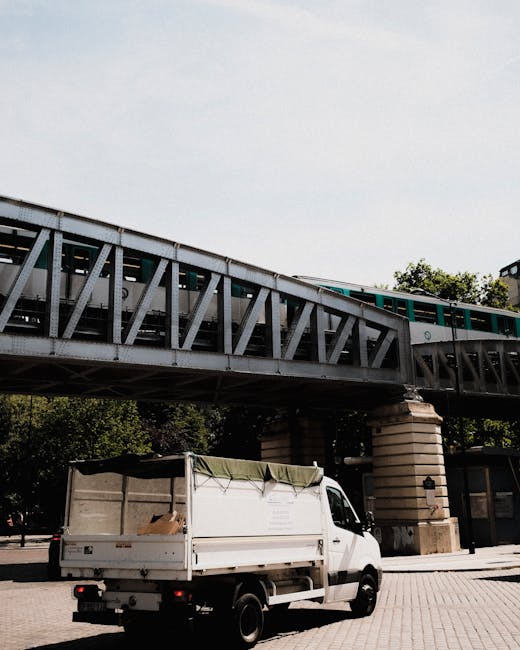
NW6 removals for flats near Queens Park Station
Moving out of a flat near Queens Park Station sounds simple until the lift is tiny, the stairwell is narrow, parking is tight, and your sofa seems to have developed opinions. That is exactly why NW6 removals for flats near Queens Park Station need a different approach from a standard house move. In this part of London, a well-planned flat removal saves time, avoids damage, and keeps the day calmer than it first looks. This guide breaks down how it works, what to expect, and how to make the move feel manageable rather than chaotic.
Whether you are leaving a first-floor conversion, a top-floor apartment, or a purpose-built block close to the station, the practical details matter. We will cover access planning, packing, timing, vehicle choice, and the kinds of service options that suit smaller urban moves best. You will also find a checklist, a comparison table, and a few real-world examples to help you decide what level of help makes sense.
Why NW6 removals for flats near Queens Park Station Matters
Flat moves around Queens Park Station are often more demanding than people expect. The area has a mix of mansion blocks, conversions, and compact flats where access can be awkward, and that shapes everything about the move. If the removal team cannot park close enough, if the hallway is too tight for larger furniture, or if the building has entry rules, the move can quickly become slower and more expensive than planned.
NW6 removals for flats near Queens Park Station matter because the move is not just about transport. It is about coordination. A good flat move accounts for the building layout, the route from the front door to the vehicle, the number of trips needed, and how to protect both your belongings and the property itself. In a dense London setting, that attention to detail is not a luxury. It is the job.
It also matters from a stress point of view. People often underestimate how tiring a flat move is when they have to carry boxes down multiple flights at 8am while neighbours are coming and going. Truth be told, the difference between a smooth move and a miserable one is often a few small decisions made a week earlier. That is the part people rarely see until moving day.
Expert summary: For flats near Queens Park Station, the smartest removals plan is usually the one that reduces lift time, minimises parking pressure, and keeps the move tightly organised from the first box to the last chair.
How NW6 removals for flats near Queens Park Station Works
At a practical level, a flat removal starts with an assessment of the property and the load. That may be done by phone, photos, or a short discussion about what needs moving. The details matter: how many rooms, whether there is lift access, if bulky items need dismantling, and whether there are awkward time windows for loading. Simple enough, but getting it right early saves a lot of faff later.
For many local flat moves, a man and van style service is a strong fit because it is flexible, efficient, and well suited to short-distance work. If the move involves heavier furniture or more items than you first thought, a larger removal van can be a better choice. The right vehicle matters because in NW6, road space and loading convenience often matter as much as the journey itself.
On the day, the team normally arrives with the right carrying equipment, protective materials, and a move order. That means the larger or more fragile items are handled first or last depending on access, and the load is packed so the boxes do not crush the soft furnishings. If you have ever opened a box and found a lamp shade folded into a shape it never asked for, you will appreciate that part.
Some people also choose extra help with wrapping, sorting, and unpacking through packing and unpacking services, especially when the flat is small and every minute counts. For larger homes or mixed household moves, removals support can be more appropriate, but flat moves near Queens Park Station often benefit most from a tailored, efficient approach rather than a one-size-fits-all package.
Key Benefits and Practical Advantages
The main benefit of a focused flat-removal service is control. You are not trying to force a house-move model into a compact apartment block. Instead, the move is shaped around the building, the furniture, and the time available. That can mean fewer delays, less handling, and less risk of knocks or scratches.
- Better access planning: A short assessment helps avoid problems with stairs, parking, and loading points.
- Less physical strain: You do not have to carry everything yourself through a tight stairwell.
- Lower risk of damage: Professional handling and proper packing reduce breakages and scuffs.
- More predictable timing: Smaller, local flat moves often run to a tighter schedule when organised well.
- Flexible support: You can choose basic transport help or a fuller moving service.
Another advantage is confidence. Flats near Queens Park Station can involve shared entrances, neighbours, and building rules that can make DIY moving feel awkward. A well-run removals team knows how to keep things moving without making the corridor feel like a warehouse loading bay at rush hour. That is worth a lot, especially if you are working to a handover deadline.
For customers comparing options, it helps to review pricing and quotes early so you can judge the level of service against the actual complexity of the move. Not every flat move needs the same amount of labour. Some do. Some definitely do not.
Who This Is For and When It Makes Sense
NW6 removals for flats near Queens Park Station make sense for a wide range of people. The obvious group is tenants moving in or out of rented flats, but that is only the start. First-time buyers, sharers splitting a household, downsizers, students moving to a smaller place, and landlords preparing a property for new occupants may all need the same kind of practical support.
It is also a good fit when you have a move that looks small on paper but is awkward in reality. A one-bedroom flat with a heavy bed frame, a large wardrobe, and a lot of books can be harder to move than a bigger home with easy ground-floor access. Funny how that works. The number of rooms is only part of the story.
This service is especially useful if:
- you live above ground level with limited lift access
- your flat has narrow hallways or awkward corners
- you need to move at a specific time because of tenancy or building access
- you have furniture that needs dismantling and reassembly
- you want a local move completed quickly and with less hassle
It also helps if you are moving with children, pets, or a tight work schedule. The emotional load is real. There is nothing dramatic about that; it just is. When your day is already full, a simple and organised move can feel like a small mercy.
Step-by-Step Guidance
Here is a straightforward way to handle a flat move near Queens Park Station without turning the day into a scramble.
- Take a proper inventory. List the furniture, boxes, appliances, and anything fragile or unusually large. Be honest about the size of the job. The hallway does not care about optimism.
- Check access early. Note stairs, lift size, entry codes, loading restrictions, and where the vehicle can realistically stop.
- Decide what needs dismantling. Beds, wardrobes, shelving, and some tables move more safely in parts.
- Pack by room and label clearly. The clearer the labels, the less time you waste searching for essentials later.
- Protect fragile items. Use cushioning for glass, lamps, mirrors, and anything sentimental that would be hard to replace.
- Book the right vehicle and crew size. A flat move can be under-resourced just as easily as over-resourced.
- Prepare the exit route. Keep pathways clear, reserve enough time for loading, and avoid leaving loose items in the way.
- Do a final sweep before departure. Check cupboards, sockets, windows, and the backs of doors. People forget the oddest things at the last moment.
Once the essentials are packed, keep a small survival box with keys, chargers, tea bags, medication, toilet paper, and a change of clothes. It sounds boring. It is not boring at 9pm after a move, trust me.
Expert Tips for Better Results
To get better results from NW6 removals for flats near Queens Park Station, think in terms of friction reduction. Every unnecessary lift, turn, or delay adds time. The best moves remove friction before the van even arrives.
Tip one: measure the awkward things. If your sofa is a tight fit in the stairwell, measure it properly rather than hoping it will "probably be fine". Hope is not a measurement system.
Tip two: book the move for a quieter time where possible. Early starts can be useful, but only if the building rules and your own schedule allow it. Sometimes a mid-morning slot is calmer and less rushed.
Tip three: keep valuables and documents with you. That includes passports, contracts, jewellery, laptops, and anything you would hate to see disappear into the wrong box.
Tip four: use furniture covers and edge protection for sharp corners. In a flat, there are many chances to bump a wall or scuff a bannister. Most damage happens in narrow spaces, not in the van.
If you need a more general team for mixed household jobs, movers can provide broad moving support, while house removals may be more suitable for larger residential relocations. For flat-specific work, though, small-scale efficiency usually wins.
And one more thing: keep a kettle, a mug, and a teabag handy at the new place. It is not a luxury. It is morale.
Common Mistakes to Avoid
Most flat move problems near Queens Park Station come from underestimating the practical details. That is the honest answer. People often know they need a van, but they forget that the building itself is part of the move.
- Leaving packing too late: Last-minute packing leads to weak boxes, lost items, and a stressed moving day.
- Ignoring access restrictions: If the building has rules about loading or entry, plan for them.
- Choosing the wrong vehicle: Too small and you need multiple trips; too large and parking gets awkward.
- Not protecting furniture: Small scrapes become expensive regrets.
- Failing to label boxes: This makes unpacking slower than it needs to be.
- Assuming lift access solves everything: Lifts help, yes, but delays, weight limits, and shared use can still affect timing.
Another common mistake is not asking what happens if the job runs slightly over. For local removals, that conversation matters. It is better to ask simple questions before the move than to get into crossed wires halfway through. Nobody enjoys that bit.
Tools, Resources and Recommendations
You do not need specialist gear to manage a flat move well, but a few basic tools make a big difference. The goal is not to overcomplicate things; it is to make the job smoother.
- Strong boxes: Use decent double-walled boxes for books, crockery, and heavier items.
- Packing paper or bubble wrap: Good for glassware, lamps, and ornaments.
- Marker pens and labels: Clear labelling saves time on both ends of the move.
- Furniture blankets: Useful for protecting surfaces and soft furnishings.
- Basic toolkit: Helpful for dismantling beds, tables, and shelving.
- Door stops and tape: Small things, but they help keep routes clear and boxes closed.
On the service side, it can be sensible to check insurance and safety information before you book. That gives you a better picture of how belongings are handled and what standards the team follows. If you are comparing providers, it is also worth reading the company background on about us so you understand who you are dealing with.
For customers who like to keep things tidy and efficient, furniture pick up can also be useful when you are clearing items you no longer need before the move. That one small decision can reduce clutter and save space in the van.
Law, Compliance, Standards, or Best Practice
For flat removals in London, compliance is mostly about practical responsibility rather than complexity. You want to protect your belongings, respect the building, and make sure the move is carried out safely. That normally means following building instructions, avoiding blocked access routes, and handling items in a way that reduces the chance of injury or damage.
Health and safety best practice matters here. Heavy lifting, awkward turns, and repeated carrying up stairs can strain backs and shoulders if done badly. Good moving practice usually involves sensible lifting technique, clear walkways, and the right equipment for the item. If something feels too heavy or awkward, it probably is. Better to pause than to gamble with a fridge on a staircase, which sounds like the start of a very bad comedy sketch.
If you are a tenant, you may also need to leave the property in the condition required by your agreement. That is not really a removals rule, but it affects the move day. Keep hold of keys, meter readings, and any handover items until the end.
For business customers or mixed-use moves, there may be a stronger case for coordinated support such as office removals or broader commercial moves. Those services follow similar principles, but the planning and time pressure can be different.
It is also sensible to check service terms and payment expectations in advance, especially if you want to avoid surprises on the day. Clear terms, clear expectations, simple life.
Options, Methods, or Comparison Table
Not every flat move needs the same setup. The right choice depends on how much you are moving, how difficult the access is, and whether you want to do some of the work yourself. Here is a simple comparison to help you weigh it up.
| Option | Best for | Strengths | Trade-offs |
|---|---|---|---|
| Man and van | Small to medium flat moves, local journeys | Flexible, efficient, often ideal for NW6 access challenges | May need more organisation from the customer side |
| Removal van with extra support | Heavier flat contents, more furniture, tighter deadlines | More capacity, better for multiple bulky items | Can be more than you need for a minimal move |
| Full removal service | Busy households, fragile items, less time to pack | More hands-on help and reduced stress | Usually the most involved option |
| DIY with rented transport | Very small moves with good access and few items | Can be economical if everything goes smoothly | Higher risk of delays, damage, and physical strain |
In practice, many flat moves near Queens Park Station sit somewhere between a man-and-van job and a fuller removal service. That middle ground is often where the best value sits, because you pay for the help you actually need rather than the help you wish you needed after one glance at the stairs.
Case Study or Real-World Example
Picture a one-bedroom flat near Queens Park Station with a bed frame, a sofa, two bookcases, a desk, a wardrobe, and around thirty boxes. On paper, that sounds manageable. In reality, the stairwell is narrow, the parking outside is tight, and the move-out deadline is early afternoon because the new tenant is arriving later the same day.
In a move like this, the best plan is usually simple: dismantle the bed and wardrobe before the team arrives, label the boxes by room, keep the hallway clear, and use a vehicle that can be loaded quickly. If the team has to carry every large item through a twisting staircase while cars pass outside, the job will take longer. Not impossible, just slower and more tiring.
What makes the move work better is sequencing. The soft items and boxes can go first or last depending on access, while the heavier furniture is moved with the most space available. One recent-style scenario many movers will recognise: the sofa looks impossible in the corridor, then someone angles it properly, takes a breath, and it slides through with two millimetres to spare. A tiny miracle, honestly.
The point is not that every move is dramatic. It is that good planning turns an awkward flat move into an ordinary day. And ordinary is exactly what most people want on moving day.
Practical Checklist
Use this checklist in the final 48 hours before your move. It keeps the last-minute panic to a dull roar.
- Confirm your moving time and access arrangements
- Measure large furniture and check stairwell or lift fit
- Pack essentials separately for the first night
- Label every box clearly by room and priority
- Disassemble bulky furniture where practical
- Protect glass, mirrors, and electronics carefully
- Keep documents, keys, and valuables with you
- Clear hallways, landings, and entry routes
- Reserve parking or loading space if needed
- Do a final check of cupboards, shelves, and sockets
- Confirm payment method and any service details in advance
If the move involves a lot of sorting before departure, home moves support may be useful for broader household planning, and removals near me can be a helpful starting point when you are comparing local service options. Keep it simple. That is usually the winning move.
Get a free quote today and see how much you can save.
Conclusion
NW6 removals for flats near Queens Park Station are all about smart planning, realistic timing, and the right level of help. When you account for stairs, access, parking, and the shape of the building, the move becomes much easier to control. That is the big takeaway. Not glamorous, perhaps, but very useful.
If you are comparing options, choose the approach that fits the flat rather than forcing the flat to fit the move. A compact local service, careful packing, and a calm loading plan can make a surprising difference. And once the last box is inside the new place, there is always that small moment of relief when the kettle is unpacked and the day finally breathes out.
Moving is never quite nothing, but with the right plan, it does not have to feel like everything either.
Frequently Asked Questions
What makes flat removals near Queens Park Station different from other London moves?
The main difference is access. Flats often involve stairs, lifts, shared entrances, and tighter parking conditions, so the move needs more careful coordination than a straightforward house removal.
Is a man and van service enough for a flat move in NW6?
Often, yes. For one- or two-bedroom flats, a man and van setup is frequently the most practical option, especially for local journeys and smaller loads.
How far in advance should I book my move?
As soon as you know your date is the safest answer, particularly if you need a specific time slot or have limited building access. Last-minute bookings can still work, but choice is usually better when you plan ahead.
Do I need to dismantle furniture before the movers arrive?
It helps in many cases, especially for beds, large wardrobes, and bulky shelving. Some teams can assist with dismantling, but it is best to ask in advance rather than assume it is included.
What if my flat has no lift?
That is common in older London properties. The move can still run smoothly, but it usually needs more time and a realistic plan for carrying items up or down stairs safely.
Can I move everything in one trip?
Sometimes, but not always. It depends on the size of the load, the vehicle, and how the furniture packs. A small flat can look compact until you start stacking boxes, then suddenly it has opinions.
What should I pack separately for the first night?
Keep toiletries, chargers, keys, medication, a change of clothes, snacks, kettle items, and basic cleaning supplies in a separate essentials bag or box.
How do I avoid damage to walls and furniture?
Use protective covers, keep walkways clear, and make sure large items are carried with enough space. Damage usually happens in narrow corners and awkward turns, not in the van itself.
Are flat removals near Queens Park Station suitable for students and sharers?
Absolutely. In fact, they are often ideal for students, flat sharers, and renters because the service can be scaled to suit the actual amount of furniture and boxes.
What should I check before choosing a removals company?
Look at the service options, the pricing process, safety information, terms, and company background. Pages such as house removals and house movers can also help you understand the broader service range if you are comparing providers.
Can removals help if I am moving out of a flat and into storage?
Yes. Many flat moves include temporary storage or staged moves. The important thing is to tell the team what is going where so the load can be arranged properly.
What is the easiest way to get a quote?
The easiest route is to share a clear list of items, access details, and your moving date. That makes the quote more accurate and avoids awkward surprises later. A good starting point is the company's pricing and quotes information.